Solo travel safety tips for first time female backpackers
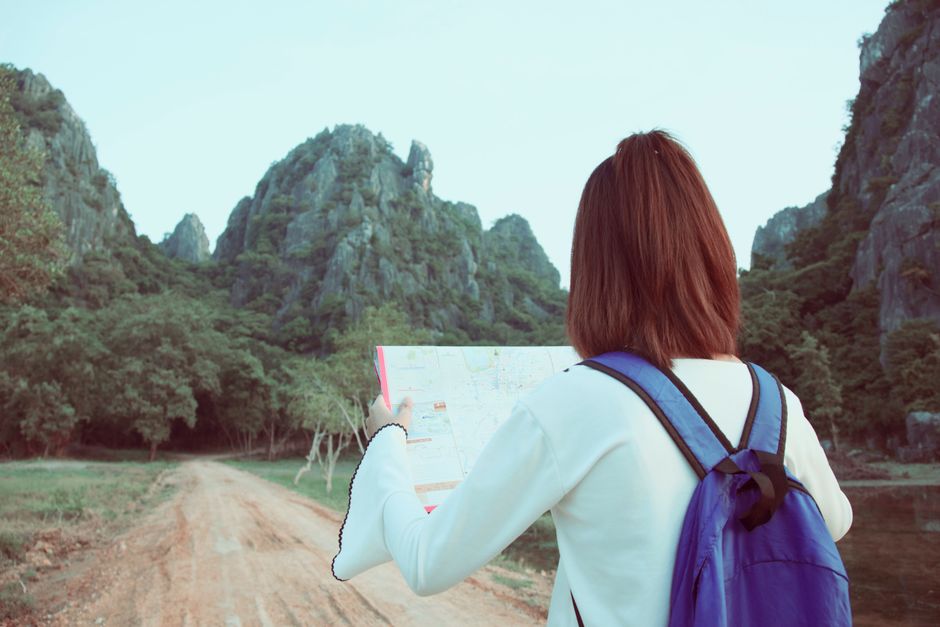
Embarking on a solo backpacking journey as a woman for the first time brings a mix of excitement and uncertainty. Preparation often revolves around understanding how to navigate unfamiliar environments while maintaining a sense of security. Safety in this context is not about eliminating risk entirely, but about developing awareness of the factors that influence one’s experience. This article explores several key areas where careful planning and informed decision-making can contribute to a more comfortable and confident trip.
Approaching safety as a set of considerations rather than a checklist allows travelers to adapt to changing circumstances. Accommodation selection, cultural norms, digital habits, and emergency readiness each play a role in shaping how a solo trip unfolds. The following sections outline practical angles that first-time female backpackers may find useful when designing their own approach to staying aware and prepared.
Choosing Accommodation with Awareness
Where a traveler sleeps each night forms a foundational part of the solo experience. Many backpackers opt for hostels, guesthouses, or homestays, each offering different levels of privacy, community, and security. When evaluating accommodation, location often matters as much as the property itself. Staying in a well-lit area with easy access to public transport or main roads can reduce the need for late-night navigation through poorly known streets. Reading recent reviews from other solo female travelers provides insight into the atmosphere and how staff handle concerns.
Hostels with female-only dorms are a common option for those who prefer a quieter environment or wish to minimize potential discomfort. Checking whether the room has individual lockers or lockable storage helps protect valuables during shared stays. Some travelers also choose to book private rooms in hostels or budget hotels for added control over their space. In all cases, verifying the security of doors and windows upon arrival is a practical step that many seasoned solo travelers incorporate into their routine.
Another consideration involves communication with accommodation staff. Letting the front desk know when you expect to return at night is not a requirement, but some travelers find it helpful for creating a subtle layer of accountability. Similarly, sharing a rough itinerary with a trusted contact back home ensures that someone knows where to begin looking if communication becomes irregular. These small habits contribute to a broader strategy of staying oriented without relying on any single measure.
Understanding Local Customs and Cultural Context
Every destination carries its own set of social norms and unspoken rules. For a female backpacker traveling alone, awareness of local customs can influence how interactions unfold and how comfortable one feels in daily situations. Dressing according to local expectations, for example, is a personal choice that may affect the level of attention received. In many regions, modest clothing is the norm, and observing what local women wear provides useful cues. This does not imply that a traveler must change her personal style, but understanding the context allows for more informed decisions.
Learning a few basic phrases in the local language also supports smoother interactions. Greetings, polite expressions, and phrases related to asking for help or directions can open doors to genuine communication. Even when locals speak English, making an effort to use local terms often signals respect and reduces misunderstandings. Additionally, researching common social scenarios — such as how to politely decline an invitation or handle persistent attention — gives a traveler a mental framework before encountering those moments.
Cultural awareness extends beyond personal behavior to include awareness of local attitudes toward solo women. In some places, solitary female travelers are common and accepted; in others, they may attract curiosity or even unwanted commentary. Knowing this ahead of time reduces the element of surprise and helps a traveler decide how to respond calmly. Many experienced travelers recommend observing how local women navigate public spaces and emulating those patterns when appropriate. This approach emphasizes adaptation rather than confrontation, which often leads to smoother daily experiences.
Digital Security Practices for the Solo Traveler
In an age where smartphones and online accounts accompany most journeys, digital safety deserves as much attention as physical safety. A first step involves securing devices with strong passwords or biometric locks. Travelers may also consider using a virtual private network (VPN) when connecting to public Wi-Fi networks in cafes, hostels, or airports. This practice helps protect sensitive information such as banking details and personal messages from potential interception.
Sharing one’s location with a trusted contact through apps or messaging services provides a simple way to keep someone informed without constant check-ins. Many mapping applications allow location sharing for a set period, which can be activated during a long hike or a night out. Similarly, downloading offline maps and translation tools before arriving in a new area reduces reliance on internet access and avoids the need to search for directions in unfamiliar surroundings.
Managing social media presence during a trip is another area where discretion can be beneficial. Posting real-time updates about exact locations or future plans may inadvertently signal that a home or personal space is unoccupied. A common practice among seasoned solo travelers is to delay posts until after leaving a location, thereby maintaining a degree of privacy while still sharing experiences. Keeping copies of important documents — passport, visa, insurance — in a secure cloud folder also simplifies replacement procedures if physical copies are lost or stolen.
Preparing Emergency Contacts and Communication Plans
No matter how thorough the planning, unexpected situations can arise. Having a clear idea of whom to contact and how to do so under stress reduces the time needed to respond effectively. Before departure, travelers often compile a list of emergency numbers for the countries they plan to visit, including local police, ambulance services, and embassy or consulate contacts. Saving these numbers in a phone as well as writing them down on a small card kept in a separate bag ensures access even if the device fails.
Registering with one’s home country embassy or a travel alert service is an optional step that some governments offer. This can facilitate communication in the event of a natural disaster or civil unrest. For daily concerns, building a small network of fellow travelers or locals met during the journey creates a support system that does not rely solely on official channels. Many backpackers find that hostels and group activities naturally encourage connections, and exchanging contact information with a few people met along the way provides a sense of mutual accountability.
Communication plans also include regular check-ins with a family member or friend back home. The frequency and method of these check-ins can be flexible, but having a pre-arranged schedule — for example, a quick message every evening — helps both the traveler and the contact feel connected. If that routine is disrupted, the contact knows to initiate a follow-up. This system does not guarantee immediate assistance, but it creates a baseline for awareness. Combining these elements with a calm, methodical approach to decision-making allows a solo traveler to navigate both expected and unexpected moments with greater confidence.