How to explore Southern Europe on 50 Euros per day
Exploring the countries of Southern Europe on a limited daily budget is a practical goal for many travelers. Greece, Italy, and Spain are known for their rich history, vibrant cultures, and scenic landscapes, but they also offer numerous opportunities for affordable travel. With careful planning and a willingness to embrace local lifestyles, it is possible to experience these destinations while spending around 50 euros per day. This article provides a realistic framework for allocating funds across accommodation, food, transportation, and sightseeing, focusing on methods rather than promises.
The figure of 50 euros per day is not a fixed rule but a starting point. Actual expenses can vary depending on the season, the specific city or island, and personal preferences. For example, visiting the Greek islands in August or central Rome in spring will require more careful budgeting than traveling in shoulder seasons. The approach described here emphasizes flexibility and informed choices, allowing travelers to adjust as they go. By understanding where costs typically arise and how to reduce them, visitors can design a trip that aligns with their financial comfort zone.
It is worth noting that a successful budget travel experience often relies on a combination of research and spontaneity. While advance bookings for certain items like intercity buses or popular hostels can help lock in lower rates, leaving room for local discoveries—such as a small family-run taverna or a free walking tour—can enhance the experience without straining the budget. The following sections break down each major category of daily spending, drawing on common practices and resources available in Greece, Italy, and Spain.
Accommodation: Hostels, Guesthouses, and Budget Alternatives
Finding a place to sleep for under 20 euros per night is realistic in many parts of Southern Europe, especially if one opts for hostels or budget guesthouses. In cities like Athens, Madrid, and Naples, dormitory beds in well-rated hostels typically range from 15 to 20 euros per night during off-peak periods. Private rooms in hostels or small family-run hotels can cost between 25 and 35 euros, which may still fit the 50-euro daily budget if other expenses are kept low. For travelers willing to stay slightly outside the city center, prices often drop by several euros.
Another option is to use platforms that connect travelers with local hosts offering spare rooms or apartments. While this can sometimes exceed 20 euros, it may provide access to a kitchen, which in turn reduces food costs. In rural areas of Greece or Spain, agritourismo stays or small pensions can be excellent value, sometimes including breakfast. It is advisable to check reviews and compare locations before booking, as being close to public transport can save both time and money on daily commutes. Additionally, many hostels offer discounts for longer stays or for members of certain travel organizations.
Some travelers also consider staying in budget hotels that are part of international chains, though these are less common in smaller towns. The key is to prioritize accommodation that allows for self-catering or includes a simple breakfast. This strategy can shift funds toward other experiences. Wander Compass suggests scanning multiple booking sites and reading recent guest feedback to identify places that offer a clean, safe environment without unnecessary extras. By keeping the nightly cost to around 18 to 22 euros, there remains enough room in the daily budget for other essentials.
Food: Street Food, Markets, and Local Eateries
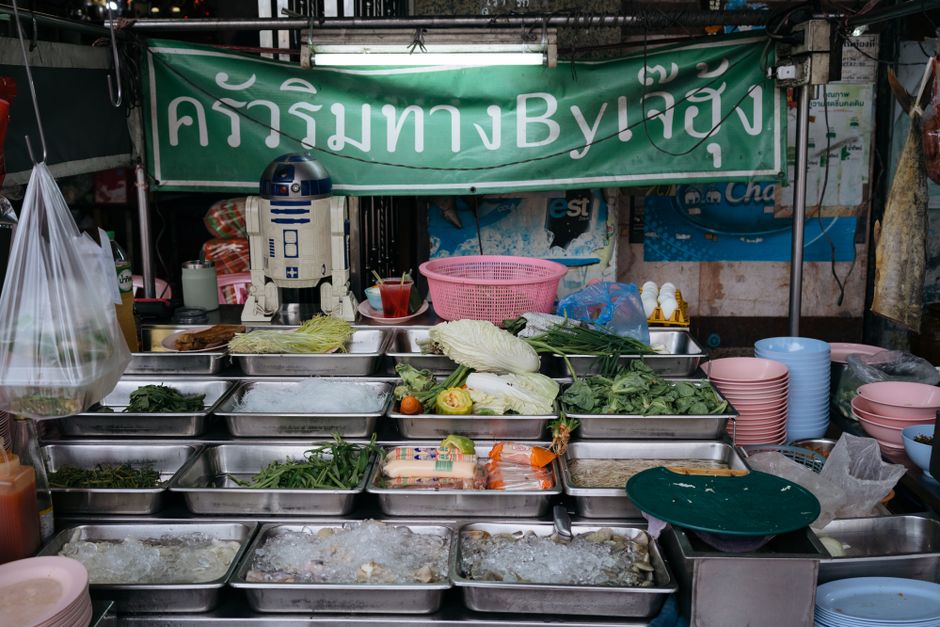
Dining on a budget in Southern Europe is both enjoyable and culturally immersive. Street food is abundant and affordable: in Greece, a gyros pita costs around 3 to 4 euros; in Italy, a slice of pizza or a panino can be had for 3 to 5 euros; and in Spain, a portion of patatas bravas or a bocadillo seldom exceeds 4 euros. Many local bakeries sell fresh pastries and sandwiches for breakfast or lunch at prices under 3 euros. By eating at street stalls or small takeaway shops, a traveler can cover three meals for roughly 12 to 15 euros per day.
Markets and grocery stores offer further savings. Supermarkets like Mercadona in Spain, Carrefour in Italy, or Lidl in Greece provide staples such as bread, cheese, fruit, and yogurt for a fraction of restaurant prices. A simple breakfast of coffee and a pastry from a bar might cost 2 euros, but making coffee and toast in a hostel kitchen reduces that to under 1 euro. Similarly, assembling a picnic lunch by the sea or in a park is a pleasant way to save money while enjoying local ingredients. For dinner, seeking out a trattoria or taverna that offers a menu del día (in Spain) or a fixed-price meal (in Italy and Greece) often yields a multi-course meal for around 10 to 12 euros.
Beverages also affect the food budget. Tap water is safe to drink in most urban areas of these countries, so carrying a reusable bottle eliminates the need to buy bottled water. When dining out, ordering a glass of house wine or a local beer instead of imported drinks keeps costs low. Many bars and cafes serve a small free tapa with a drink in Spain, which can double as a light snack. Overall, allocating between 12 and 15 euros per day for food is a realistic target, with the flexibility to spend a little more on days when a sit-down meal feels right.
Transportation: Public Transit, Walking, and Long-Distance Options
Getting around Southern Europe without spending a large portion of the budget is feasible by relying on public transportation and walking. In major cities like Barcelona, Rome, and Athens, a single metro or bus ticket costs between 1.20 and 2 euros. Many cities offer multi-day transit passes that lower the per-trip price. For example, a 24-hour pass in Madrid costs about 8 euros and covers unlimited rides on the metro and buses. Walking is often the best way to explore historic centers, as many attractions are clustered within walkable distances.
For longer distances between cities, buses are generally the most economical option. Companies like FlixBus and ALSA connect major and secondary towns in Spain, while in Greece, KTEL buses serve the mainland and some islands. A typical bus journey of two to three hours can cost between 10 and 15 euros. Trains are also available, especially in Italy where regional trains offer affordable fares—often around 15 euros for a trip between Florence and Rome if booked in advance. Booking tickets a few days ahead on online platforms can secure discounts, but last-minute tickets are usually still reasonable for bus travel.
When visiting islands in Greece or the Spanish Balearic Islands, ferries are the primary mode of transport. Economy deck tickets for short ferry rides (e.g., from Athens to a Cycladic island) start at around 10 to 15 euros, but longer or faster ferries cost more. To stay within the daily budget, travelers might plan island hops less frequently or choose cheaper, slower ferries. Cycling is another option in smaller towns and rural areas; bike rentals often cost 10 euros per day, which can replace some public transit expenses. By combining walking, public transit, and occasional bike rentals, total daily transport costs typically range from 5 to 10 euros, excluding long-distance travel days that must be factored into the overall budget.
Free Attractions and Activities: Culture Without the Cost
Southern Europe is rich in free attractions. Many museums and archaeological sites offer free entry on specific days or during certain hours. For instance, the state museums in Italy, such as the Uffizi in Florence and the Accademia in Venice, are free on the first Sunday of each month. In Spain, the Prado Museum in Madrid offers free admission from Monday to Saturday from 6 PM to 8 PM, and on Sundays from 5 PM to 7 PM. Similarly, Greece provides free entry to archaeological sites on the first Sunday from November 1 to March 31, and for all visitors on certain national holidays.
Beyond museums, the cities themselves are open‑air galleries. Wandering through historic neighborhoods like the Plaka in Athens, the Jewish Quarter in Seville, or Trastevere in Rome costs nothing and offers endless visual and cultural discoveries. Public parks, such as the Parc de la Ciutadella in Barcelona or the Villa Borghese gardens in Rome, provide peaceful retreats. Many cathedrals and churches welcome visitors free of charge (though modest donations are appreciated). Walking tours led by local guides on a pay-what-you-wish basis are common in larger cities, allowing travelers to learn about history while controlling the cost.
For those who enjoy nature, hiking trails near cities or along coastlines are free. The Camino de Santiago in Spain and the Greek island footpaths offer wonderful experiences without an entrance fee. Beaches in Greece, Italy, and Spain are almost always public and free to access, though some have paid lounger rentals. Spending a day at the beach, exploring a local market, or simply sitting in a plaza to watch daily life unfold can be as rewarding as any paid activity. By prioritizing these free experiences, travelers can reduce their daily sightseeing budget to nearly zero, freeing up funds for other essentials or occasional treats.
Budget Allocation and Practical Tips
To visualize how 50 euros per day can be distributed, a sample breakdown may look like this: accommodation (20 euros), food (13 euros), local transport (7 euros), and activities or miscellany (10 euros). This leaves a small buffer for unexpected expenses or splurges. However, this allocation is not fixed. On days with long bus journeys, the transport cost may jump to 15 euros, so food or accommodation might need to be trimmed accordingly. Keeping a daily record of expenses, perhaps through a simple smartphone app, helps maintain awareness without causing anxiety.
A few additional strategies can further stretch the budget. Traveling with a reusable water bottle and a small towel saves small amounts. Buying snacks from supermarkets instead of tourist‑oriented shops reduces food costs. Taking advantage of free walking tours, which exist in nearly every major city, provides orientation and local insights without a fixed fee. Many hostels also offer free social activities like city walks or cooking nights. Wander Compass recommends checking local tourism websites or asking at the hostel reception for up‑to‑date information on free events and discounts.
It is also important to consider the season. Shoulder months (April–May and September–October) generally offer lower accommodation prices and fewer crowds, making it easier to stay within 50 euros per day. During peak summer, prices for hostels and ferries can double, so planning a tighter budget or adjusting the itinerary to less touristy destinations can help. Ultimately, the feasibility of a 50‑euro daily budget depends on personal priorities and choices. By adopting a mindset of resourcefulness and openness, travelers can enjoy the rich experiences of Southern Europe without overspending.