Planning a road trip through the Scottish Highlands
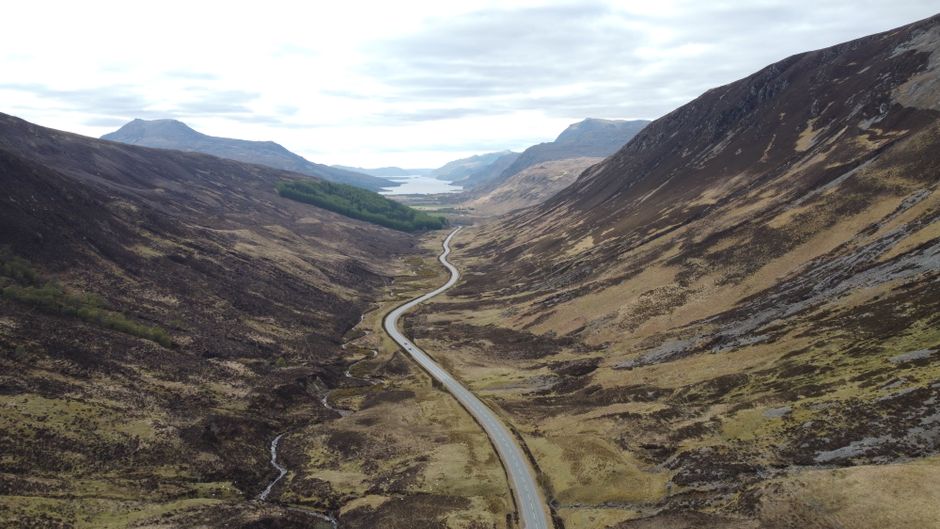
Driving through the Scottish Highlands offers a way to experience some of the most dramatic landscapes in Europe. With winding roads that cut through glens, past ancient castles, and along the shores of deep lochs, a self-drive itinerary allows for a flexible and immersive exploration. For travelers based in the United States, planning such a trip involves understanding the region’s geography, seasonal conditions, and the logistics of renting a vehicle suited to narrow, sometimes single-track roads. This guide outlines a step-by-step approach to organizing a ten-day journey that covers key highlights while leaving room for spontaneous detours.
The Highlands cover a vast area, and a ten-day timeframe provides enough time to see a meaningful cross-section without feeling rushed. The route described here begins in Inverness, loops through the Isle of Skye, follows parts of the North Coast 500, and returns via the Cairngorms National Park. Each segment offers distinct scenery and cultural points of interest. The emphasis is on practical preparation, realistic daily driving distances, and a balanced mix of guided stops and independent exploration. No two trips unfold exactly the same way, and that is part of the appeal.
While this itinerary provides a framework, road conditions, weather, and personal preferences will influence the actual pacing. The goal is to equip readers with contextual knowledge so they can adapt the plan to their own interests. Whether the priority is hiking remote trails, photographing historic stone ruins, or simply enjoying the quiet of the glens, the Highlands offer a range of experiences that reward careful planning.
Preparing for the Journey: Vehicle, Accommodation, and Navigation
Selecting the right vehicle is one of the first practical decisions. Major rental companies operate at airports in Inverness, Glasgow, and Edinburgh, and it is advisable to book a car with sufficient clearance and a diesel engine for longer distances. Compact cars are often easier to maneuver on single-track roads with passing places. Many travelers opt for a manual transmission, but automatic options are available at a higher cost. Insurance coverage that includes breakdown assistance is recommended, especially for remote stretches where mobile reception can be limited.
Accommodation should be booked well in advance, particularly during the peak months from May to September. Options range from historic inns and bed-and-breakfasts to self-catering cottages and bothies. A mix of pre-booked stays and flexible cancellations allows for adjustments if the weather changes. In smaller villages, accommodation choices may be limited, so checking availability before setting out each day helps avoid last-minute complications.
Navigation in the Highlands requires more than a phone GPS. While digital maps are useful, downloading offline maps for the entire region is essential, as mobile data coverage is sparse in many areas. A physical road atlas can serve as a reliable backup. Understanding the layout of the North Coast 500 route and the locations of petrol stations is also important, as fuel stops can be more than eighty miles apart in certain sections.
Days 1 and 2: Inverness and the Loch Ness Area
Inverness serves as a natural starting point, with direct flight connections from London and other UK cities. The first day can be spent exploring the city itself, including Inverness Castle, the Victorian Market, and the riverside paths along the Ness. For history enthusiasts, the nearby Culloden Battlefield provides insight into the 1746 Jacobite uprising. The second day is dedicated to Loch Ness, which lies just south of the city. Rather than simply driving along the main road, a slower route on the western side offers views of Urquhart Castle and opportunities to stop at quiet bays.
Several hiking trails around Loch Ness vary in difficulty. The Great Glen Way passes through this area, and short sections can be walked without committing to a multiday trek. Boat tours operate from various points, though the conditions of the loch—deep and often dark—mean that visibility underwater is limited. Regardless of the activity, the area provides a sense of the Highlands’ scale and history, with legends of the loch’s resident creature adding a layer of cultural curiosity.
Accommodation options near Loch Ness include traditional pubs with rooms and lakeside lodges. Eating at a local inn allows for sampling dishes such as venison, salmon, and neeps and tatties. The first two days serve as an introduction to the region’s pace and help travelers adjust to driving on the left side of the road.
Days 3 and 4: The Isle of Skye
Driving from Inverness to the Isle of Skye takes approximately two and a half hours via the A82 and A87, with the road crossing the bridge at Kyle of Lochalsh. Skye is known for its rugged coastline, the Cuillin mountain range, and the Fairy Pools. The island is relatively small, but roads are narrow and traffic can be heavy in summer. Allocating two full days allows for a relaxed exploration of the main sights without rushing between locations.
The first day on Skye can focus on the northern part of the island, including the Old Man of Storr, the Quiraing, and the Trotternish Peninsula. These geological formations are accessible via marked paths, though some require a moderate level of fitness. The second day could cover the west coast, with stops at Neist Point lighthouse and the Coral Beaches near Dunvegan. Castle Dunvegan, the ancestral home of the MacLeod clan, offers guided tours and boat trips to see seals in the nearby loch.
Accommodation on Skye is limited and expensive during peak season, so booking early is advisable. Alternatives include staying in the village of Portree, which has the largest concentration of services, or in a self-catering cottage near Broadford. Regardless of where one stays, the island’s weather can change rapidly, and a waterproof layer is indispensable even on fair days.
Days 5 to 7: The North Coast 500
The North Coast 500 is a 516-mile circular route that begins and ends in Inverness. This section of the itinerary covers the northern stretch from Skye through Torridon, Ullapool, and up to John o’ Groats, then down the east coast to the Moray Firth. Three days provide a comfortable pace, although the full loop typically takes five to seven days for a more thorough exploration. The focus here is on the far northwest, where the landscape becomes increasingly wild and sparse.
Driving from Skye to the Torridon area takes roughly an hour and a half. Torridon is known for its magnificent sandstone mountains, including Beinn Eighe and Liathach. Short hikes to viewpoints such as the one at Loch Torridon offer panoramic vistas without requiring a full ascent. Continuing north, the village of Ullapool is a good overnight stop, with a harbor that hosts ferries to the Outer Hebrides. The stretch from Ullapool to Durness passes through the Inchnadamph area, where limestone caves and waterfalls like the Falls of Measach at Corrieshalloch Gorge provide natural landmarks.
Day seven often includes the section from Durness to John o’ Groats, passing the white sands of Balnakeil Bay and the castle ruins at Thurso. This part of the route is less mountainous but offers a sense of remoteness. John o’ Groats is a symbolic endpoint, though the actual northeasternmost point is nearby Dunnet Head. The return to Inverness from here takes about three hours via the A9, finishing the loop in the evening or on the morning of day eight.
Days 8 to 10: Cairngorms National Park and Return
After completing the North Coast 500 loop, the final three days can be spent in the Cairngorms National Park, which lies northeast of Inverness. The park is the largest in the British Isles and contains a mix of ancient pine forests, high plateaus, and river valleys. This area offers a different pace, with more structured hiking trails and opportunities for wildlife spotting. Red deer, golden eagles, and capercaillie are among the species that can be observed, particularly in the quieter eastern sections.
A recommended base for this part of the trip is Aviemore, a town with a range of accommodations and services. From there, day hikes can be planned to the Lairig Ghru pass, the Cairn Gorm mountain (accessible via a funicular railway), or the Rothiemurchus Forest. The Speyside Way path also passes through the region, and short walks along the River Spey provide a gentle option. For those interested in historical sites, the ruins of Ruthven Barracks and the Highland Folk Museum give context to the area’s social and military history.
The last day involves returning to Inverness, which is about a forty-minute drive from Aviemore. This allows time for any final shopping or a visit to the Cawdor Castle near Nairn before catching a flight or heading onward. The ten-day structure fits the Highlands’ rhythm without overtiring, leaving travelers with a coherent experience of the region’s diversity.
Practical Tips and Considerations for a Smooth Journey
Weather in the Highlands is variable regardless of season. Packing layers, waterproof outerwear, and sturdy footwear is advisable for all activities. Midges, small biting insects, are prevalent in summer, particularly near water and in the evenings. Insect repellent and midge nets can make a significant difference in comfort. Carrying a first-aid kit, a torch, and extra food and water is recommended when driving on remote roads.
Respect for the natural environment is paramount. Leaving no trace, parking only in designated areas, and adhering to the Scottish Outdoor Access Code help preserve the landscape for future visitors. Many castles and historic sites charge an entry fee, and some require advance booking for guided tours. Checking opening hours and seasonal closures before setting out avoids disappointment.
For travelers seeking additional planning tools, services like Wander Compass can provide route suggestions and accommodation recommendations based on individual preferences. These resources are not essential, but they can help streamline the preparation process. Ultimately, the best journeys often occur when one combines a solid itinerary with the flexibility to follow a winding road, stop for an unexpected view, or linger in a village that feels like home.