The ultimate carry-on packing list for a two week trip
Packing for a two-week trip with only a carry-on bag requires a thoughtful approach. The challenge increases when the journey includes different climates, from cool mornings to warm afternoons or from humid cities to breezy coastlines. A successful packing strategy focuses on versatility, layering, and careful selection of multi-purpose items. The goal is not to predict every possible scenario, but to create a flexible core wardrobe that can adapt through simple combinations.
This article explores the principles behind building a carry-on packing list for a 14-day trip spanning varied weather conditions. The focus is on the process of selecting clothing, toiletries, and accessories that serve multiple functions while staying within airline size and weight limits. By understanding the reasoning behind each choice, travelers can adjust the list to their personal preferences and itinerary needs.
The recommendations here are based on general travel practices and do not replace professional advice. Every trip involves unique factors such as local laundry access, cultural norms, and personal comfort levels. The following framework offers a starting point for organizing a carry-on that supports mobility and adaptability across different environments.
Building a versatile clothing foundation
The foundation of any carry-on packing list is a coordinated capsule wardrobe. The idea is to select pieces that can be worn in multiple combinations and that work together across temperature changes. A neutral color palette, such as shades of gray, navy, beige, and black, simplifies mixing and matching. Patterns, if used, should be limited to one or two items to avoid visual clutter.
Layering becomes the primary tool for managing temperature shifts. A typical layering system includes a base layer, a mid layer, and an outer layer. The base layer should be moisture-wicking to keep the skin dry in warm conditions or to provide insulation in cooler ones. The mid layer, such as a lightweight fleece or sweater, adds warmth without bulk. The outer layer must be wind- and water-resistant to protect against rain or wind. This three-piece system can cover a range of temperatures from around 50°F to 80°F, depending on material choices.
When selecting bottoms, a pair of dark jeans or sturdy trousers works for most daytime activities and can also be dressed up for evenings. A second pair, such as lightweight travel pants made of quick-dry fabric, offers a different weight and style. Shorts or a skirt can serve as an alternative for hot climates. The key is to choose bottoms that are comfortable for walking and that can be worn multiple times between washes. Fewer items mean more combinations, so each piece should earn its place in the bag.
Essential clothing items and their roles
A practical carry-on wardrobe for two weeks across different climates might include the following items. Each piece is selected for its ability to serve multiple purposes and to layer effectively. The exact number can be adjusted, but the list below illustrates the principle of minimalism without sacrificing comfort.
- Four to five tops: three short-sleeve or lightweight long-sleeve shirts and one or two dressier tops for evenings or restaurants.
- Two pairs of pants or trousers: one more formal option and one casual or travel-specific pair.
- One pair of shorts or a skirt for warm weather.
- One lightweight sweater or fleece for layering.
- One waterproof or water-resistant jacket with a hood.
- Seven sets of underwear and socks: enough for a week with one laundry cycle.
- One pair of comfortable walking shoes and one pair of sandals or flats for warmer days or dressier occasions.
These items, when arranged in a coordinated color scheme, can produce more than ten complete outfits. For colder climates, a packable down vest or a lightweight scarf can add warmth without taking much space. For warmer climates, a wide-brimmed hat or a breathable shawl can provide sun protection. The idea is to avoid single-use garments and instead choose pieces that transition between contexts.
Packing cubes help separate clean from used clothes and make it easier to find specific items. Compression cubes reduce volume for bulkier pieces like jackets. A simple organization system can save time during the trip and reduce stress when packing up to move to the next destination.
Toiletries and personal care in a carry-on
Toiletries for a carry-on must comply with TSA liquid restrictions, which limit containers to 3.4 ounces (100 milliliters) and require all liquids to fit in a single quart-sized bag. This constraint encourages selecting solid or powder alternatives whenever possible. Solid shampoo bars, conditioner bars, and soap bars eliminate liquid waste and last longer than their bottled counterparts. A toothpaste tablet or powder in a small jar is another space-saving option.
For skincare, a multi-purpose moisturizer with SPF can replace a separate sunscreen and day cream. A tinted lip balm with sun protection reduces the need for multiple lip products. Deodorant can be a solid stick or a cream, both of which count as solids rather than liquids. A small bottle of laundry detergent sheets or a travel-sized stain remover pen can be useful for washing clothes during the trip.
Other necessary items include a razor, a toothbrush, and a comb or brush. A small first-aid kit with bandages, pain relievers, and any personal medications is advisable. All liquids should be placed in a clear, resealable bag for easy security checks. Travelers should also consider the local availability of personal care items; some destinations may have different brands or formulations, so bringing familiar products can be more consistent.
Packing techniques for space and efficiency
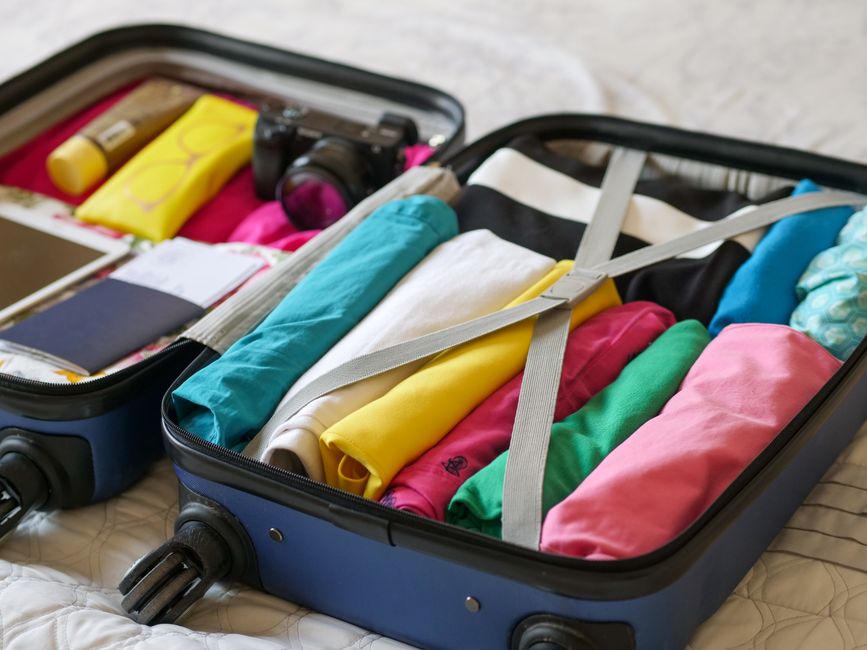
How items are packed matters as much as what is packed. Rolling clothes rather than folding them reduces wrinkles and saves space. For delicate fabrics, a combination of rolling and folding may work best. Placing heavier items near the wheels of a rolling bag keeps the center of gravity low and makes the bag easier to maneuver. Shoes should be placed at the bottom or in a separate shoe bag to protect other items.
Using packing cubes as compartments helps distribute weight evenly and allows quick access to specific categories. For example, one cube for tops, another for bottoms, and a third for underwear and socks. The toiletry bag should be placed on top for easy retrieval at security checks. A lightweight reusable tote or foldable daypack can serve as an extra bag for excursions or for carrying souvenirs on the return flight.
Leaving some empty space in the carry-on is a deliberate strategy. This space can accommodate items acquired during the trip or allow for repacking after laundry. Overfilling the bag makes it harder to close and may exceed airline weight limits. A partially filled bag also reduces the risk of damage to items under pressure.
Adapting to climate extremes within the same wardrobe
A two-week trip that spans different climates, such as a city with warm days and a mountainous region with cool evenings, requires strategic layering. The base layer remains the same for most conditions, but the mid and outer layers can be added or removed. For very hot climates, breathable fabrics like linen or cotton blends allow airflow, while for cold, a thermal base layer under the main clothing can help retain heat without adding bulk.
A lightweight down or synthetic jacket can be compressed into a small pouch and worn when the temperature drops. Rain gear, such as a packable poncho or a waterproof shell, is essential in unpredictable weather. In areas with high humidity, quick-dry fabrics are preferable because they dry faster after washing or exposure to moisture. The same shoes that work for city walking may not suit hiking on wet trails, so a pair of trail shoes or boots can be substituted if the itinerary includes outdoor activities.
The concept of “one bag fits all” is not about having a single garment for every situation, but about having a small set of adaptable pieces. A scarf can be used as a blanket on a chilly flight, a cover-up at the beach, or a fashion accessory. A lightweight sarong can serve as a towel, a skirt, or a scarf. These multi-use items add flexibility without adding weight.
Final considerations for a successful carry-on experience
Before finalizing a packing list, it is useful to review the itinerary and note the expected temperature range, precipitation, and cultural dress codes. Checking airline baggage policies for dimensions and weight limits prevents last-minute surprises. A digital luggage scale can help verify that the bag stays under the limit. Many airlines allow a personal item in addition to a carry-on, such as a backpack or handbag, which can hold valuables, electronics, and a light jacket for on-board comfort.
Practicing packing at home a day before departure allows for adjustments. If the bag is too heavy or too full, removing one or two items may be necessary. Prioritizing items that serve the most common situations over those for rare events is a practical approach. For instance, a formal outfit for one dinner can be simplified by choosing a top that pairs with multiple bottoms rather than a separate dress.
Travelers should keep in mind that laundry facilities or local laundromats are often available at destinations, which reduces the need for a full two weeks of underwear and socks. Planning for one wash mid-trip can lower the total number of clothing items needed and free up space for other essentials.
The ultimate carry-on packing list is not a fixed set of items but a flexible system. By focusing on versatile clothing, compact toiletries, and efficient packing methods, a traveler can navigate different climates with confidence. Each journey presents its own variables, and the packing process itself is part of the preparation. With practice, the ability to pack light becomes a skill that enhances the travel experience rather than a constraint.